
Is stainless steel jewellery safe? Nickel, cadmium and lead explained
Stainless steel jewellery is known for its strength and durability. Yet one question often arises: is it truly safe for your health?
With claims such as “nickel-free”, “lead-free” and “cadmium-free”, it can be difficult to separate facts from marketing.
This article helps you read these claims by distinguishing the metal's composition, the substances released and regulatory compliance. The aim is to choose with useful information, without confusing a resilient material with a guarantee of tolerance for every skin type.
👉 To understand the properties of this material, read our complete stainless steel jewellery guide.

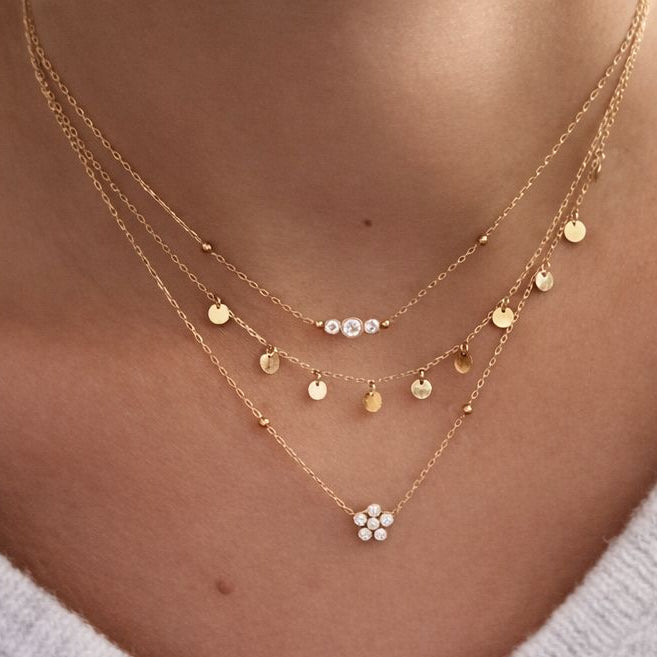
 Discover fine gold-tone necklaces
Does stainless steel contain nickel?
Many stainless steels used in jewellery contain nickel, including grade 316L. It forms part of these alloys alongside iron and chromium. However, not all stainless steels have the same composition: the generic material name is not enough to establish the composition of a particular piece.
The presence of nickel and the amount that may be released in contact with skin are different pieces of information. This distinction helps explain the rules that apply to jewellery.
In an alloy, the total nickel content does not translate directly into an equivalent amount released onto skin. Metal grade, surface condition, coatings and contact conditions all play a role. The word “stainless” alone therefore cannot establish zero release or guaranteed tolerance.
Why is nickel so often a concern?
Nickel is one of the main causes of contact allergy. In sensitive people, it can cause:
- redness
- itching
- irritation
This is why its use is closely regulated in Europe.
What do the European Union's REACH rules say?
European Union regulations set specific limits on nickel release:
- 0.5 µg/cm²/week: the release limit for parts of articles intended for direct and prolonged contact with skin
- less than 0.2 µg/cm²/week: the limit for post assemblies inserted into pierced ears and other pierced parts of the body
These values, set out in entry 27 of REACH Annex XVII, are regulatory limits. They are not a universal medical threshold below which an allergy becomes impossible.
To assess a model's compliance, the useful evidence consists of the documents and test results that apply to it. A general description of the material does not replace this evidence; this article is not a laboratory analysis report for the collection's jewellery.
How to read “nickel-free”, “lead-free” and “cadmium-free” claims
In jewellery, you often see claims such as:
- “nickel-free”
- “lead-free”
- “cadmium-free”
These claims must be precise and supported. Before relying on them, find out whether they describe composition, a detection limit or compliance with a regulatory restriction. These concepts are not interchangeable.
The case of nickel
Grades commonly used in jewellery, such as 316L, contain nickel. You cannot therefore infer that jewellery is “nickel-free” simply because it is made from stainless steel.
For the uses covered by REACH entry 27, the criterion concerns nickel release in contact with skin.
Under the European Union's REACH rules:
- the limit concerns the quantity of nickel released under the applicable test conditions
- it does not set a maximum percentage of nickel in the alloy for these uses
A steel containing nickel can therefore meet the release limits. That does not allow it to be described as containing no nickel.
A more useful approach: nickel release
Where supporting evidence allows, you can refer to:
nickel release that complies with the applicable regulatory limit
This wording describes a measurable criterion. It avoids the phrase “below the allergenic threshold”, which can imply an individual medical guarantee. A test result must relate to the model and the conditions assessed.
The case of lead and cadmium
For these two substances, distinguish their content in the relevant parts of the piece from nickel release:
- lead and cadmium are subject to specific restrictions in jewellery
- entries 63 and 23 of REACH Annex XVII specify the concentrations concerned and the applicable exceptions
Jewellery placed on the market within the scope of these restrictions must comply with them. A compliance declaration does not mean the absolute absence of every trace: read exactly what is attested and which part of the product it covers.
 Discover fine gold-tone bracelets
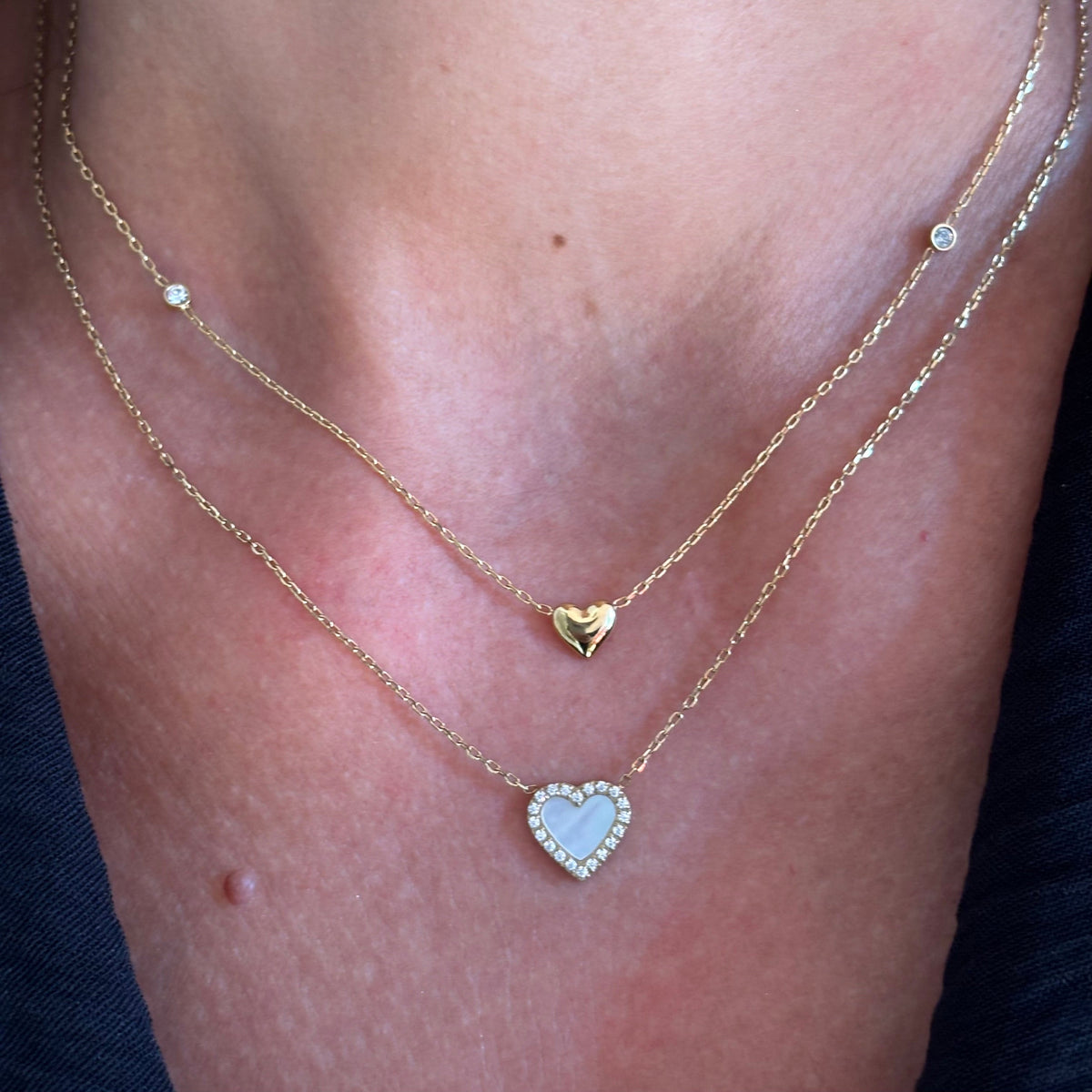
 Discover the Victoire necklace
Why REACH compliance matters
REACH aims to protect consumers from hazardous substances.
For a buyer, useful points to look for are:
- a precise description of the materials and the different parts of the piece
- the compliance evidence or tests available for the model
- the seller's identity and the possibility of asking for further details
If you have a question about a Djanet Bijoux piece, give us its reference so that your enquiry concerns the relevant model. Information about its composition must remain separate from medical advice on your personal tolerance.
Can stainless steel still cause an allergy?
Yes. A reaction remains possible in someone sensitised to nickel. Compliance with regulatory limits does not rule out every individual reaction.
Discomfort after wearing a piece does not identify its cause on its own: friction, accumulated products or an allergy may be involved. A jewellery article cannot provide that diagnosis.
The term 316L describes a metal grade, not a guarantee against allergy. If you know you are allergic to nickel, do not choose jewellery on this label alone: seek advice suited to your situation.
How can you reduce irritation?
A few simple habits can improve comfort:
- clean your jewellery regularly
- avoid the build-up of products such as cream and soap
- dry thoroughly after contact with water
These habits reduce deposits and improve comfort, but they do not remove an allergy. If a piece causes symptoms, stop wearing it. Consult a healthcare professional if the reaction is persistent, significant or recurring, or if you are unsure of its cause.


Should you avoid stainless steel jewellery?
There is no need to reject an entire jewellery category on its name alone. It is more useful to examine the model's information and consider your own experience.
Stainless steel can be an appealing choice for its strength and corrosion resistance. Safety and comfort, however, must be assessed for the complete piece: metal, coating, clasp, soldered joints and decorative elements.
For sensitised skin, choosing well is not simply a matter of contrasting a material called “premium” with another considered low quality. The model's documented characteristics and your particular needs should guide the decision.
Conclusion: can you wear stainless steel jewellery without risk?
No material name can promise zero risk for every wearer.
To choose with confidence, remember three points: know the stated composition, understand what compliance means and respect your individual sensitivity. Jewellery you enjoy wearing is also jewellery whose information you understand.
To learn more about its advantages, read our complete stainless steel jewellery guide.
Discover our Djanet Bijoux creations
Further reading: REACH restrictions — ECHA; nickel, entry 27 — ECHA; nickel allergy — American Academy of Dermatology.